Take Action
Find information, and opportunities to join us in advocating for policy changes that impact the LGBTQ+ community.
Supreme Court ruling on HECOX & B.P.J.
Coloradans believe in freedom for all. We can keep building a Colorado where students are trusted, families are supported, schools can make thoughtful decisions, and every young person has the chance to belong.
WHAT HAPPENED
- The U.S. Supreme Court issued a joint ruling in HECOX/ BPJ – cases involving state laws that ban transgender girls from participating on girls’ sports teams at school.
- The Court said that Title IX and the Equal Protection Clause do not prevent states from adopting those bans. That is disappointing and painful.
- But the ruling does not require Colorado, or any state, to ban transgender students from sports. It leaves these decisions to states, schools, and communities. That means Colorado still gets to decide what kind of state we want to be.
WHAT THIS DECISION DOES AND DOES NOT MEAN
This decision allows states with existing bans to keep enforcing them. It will likely give anti-trans politicians and groups a new talking point. It may also increase pressure on inclusive states like Colorado. This decision does not create a national ban. It does not require Colorado to ban transgender students from sports. It does not change the fact that transgender young people deserve dignity, safety, and belonging. And it does not settle what Colorado voters, schools, families, and communities should do next.
COLORADO CONTEXT: WHAT THIS MEANS FOR INITIATIVE 109
- Initiative 109 is the Colorado ballot measure that would create a statewide sex-based sports restriction for K–12 schools and colleges. If passed, it would move Colorado away from inclusive, case-by-case approaches and toward a blanket ban that excludes all transgender students from every sport, at every age, and at every level.
- This decision makes Initiative 109 more important, not less.
- Supporters of Initiative 109 may try to claim that the Supreme Court “settled” this issue. That is not true. The Court said states may adopt bans; it did not say states must adopt bans. In fact, the Court said, “No student-athlete… deserves to be ostracized or vilified.” Let’s keep the focus where it belongs – on the young people at the center of all of this.
FAQ
- Does this mean trans girls are banned from sports in Colorado?
- No. The Supreme Court allowed some state bans to stand, but it did not create a national ban and did not require Colorado to adopt one. Colorado still has the power to continue its inclusive policies.
- Does this mean Initiative 109 is required by federal law?
- No. Initiative 109 is not required by the Supreme Court. The Court said states may adopt bans; it did not say they must. Colorado voters still decide whether to pass or reject Initiative 109.
- What do we say to people who are worried about fairness?
- Fairness matters. That is why we need thoughtful rules that consider age, sport, level of competition, and individual circumstances. A blanket ban is not thoughtful or fair. It singles out transgender kids and can create invasive enforcement problems for all students.
- The Supreme Court did not greenlight Initiative 109. This ruling continues to defer trans rights questions to the states, and Colorado’s answer must be clear: we must continue to protect transgender youth, support local schools, and make sure every student has the chance to learn, grow, and belong.
- Initiative 109 is broad, rigid, and would enforce a blanket ban across ages, sports, and levels of competition. It raises serious questions about who gets to challenge a student’s sex, how schools would verify it, and what private information students could be forced to disclose. Girls who are tall, strong, successful, or do not fit someone else’s expectations of femininity could be questioned or humiliated.
ADDITIONAL RESOURCES
- Legal analysis by NCLR Legal Director Shannon Minter about the ruling.
- Direct community members to the Power Building Summit
- Direct community members to Pledge to Defend Transgender Coloradans
Lambda Legal Trans Youth in Sports Conversation Guide

If They Ask, You Can Ask Back
On January 13, 2026 the Supreme Court heard oral arguments in two cases—West Virginia v. B.P.J. and Little v. Hecox—about the freedom of transgender youth to participate in school sports and to learn the life lessons those sports teach. We know this topic can fuel heated debates and spark strong opinions.
That’s why talking about this can feel tricky—but the Lambda Legal Trans Youth in Sports Conversation Guide is here to help. Whether that’s with loved ones or coworkers, this guide gives ideas for how to answer hard questions, ask thoughtful questions in return, and use these moments to build connection rather than division.
Our advice: it’s not about finding the “perfect” thing to say. It’s about saying something that helps people see and celebrate trans youth for exactly who they are. These policies aren’t just about who gets to play soccer or run track—they’re about who belongs, and who gets left out. We won’t stop fighting until every transgender kid feels seen, celebrated, and loved for exactly who they are.
Link to download the guide:
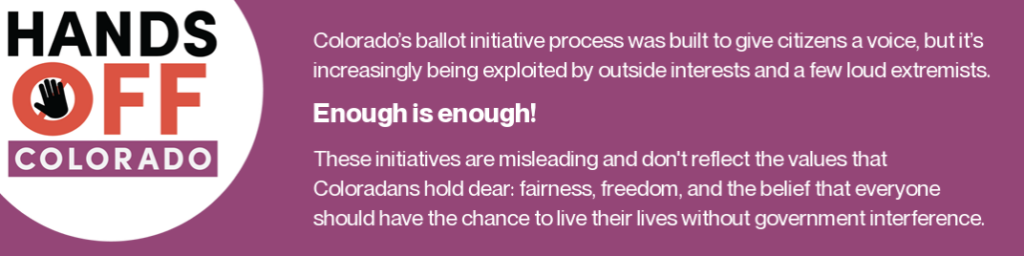
Vote NO on These Initiatives in November 2026
Initiative #109: Keeping Trans Kids out of School Sports:
They’re calling it “Male and Female Participation in School Sports,” but we know what they really want is to keep trans kids from playing sports with their friends.
This initiative would prohibit transgender youth of any age from playing sports with their peers. It singles out one small group of students and keeps them from participating in the same school activities as all other students.
It singles out one small group of students and keeps them from participating in the same school activities as all other students.
Initiative #110: Banning Gender-Affirming Care for Trans Youth
They’re calling it “Prohibit Certain Surgeries on Minors,” but we know what they really want is to tell parents they can’t get age-appropriate gender-affirming healthcare for their children.
This initiative would limit access to gender-affirming healthcare for transgender youth, even after extensive evaluation and with parental support.

Bias and Hate Motivated Crimes Hotline
The Larimer County DA’s Office has created a hotline as an additional option for members of our community to report hate or bias-motivated crimes. The hotline is not an emergency number, and while messages are checked frequently, the number is not answered. If you need immediate assistance, please call 911.